
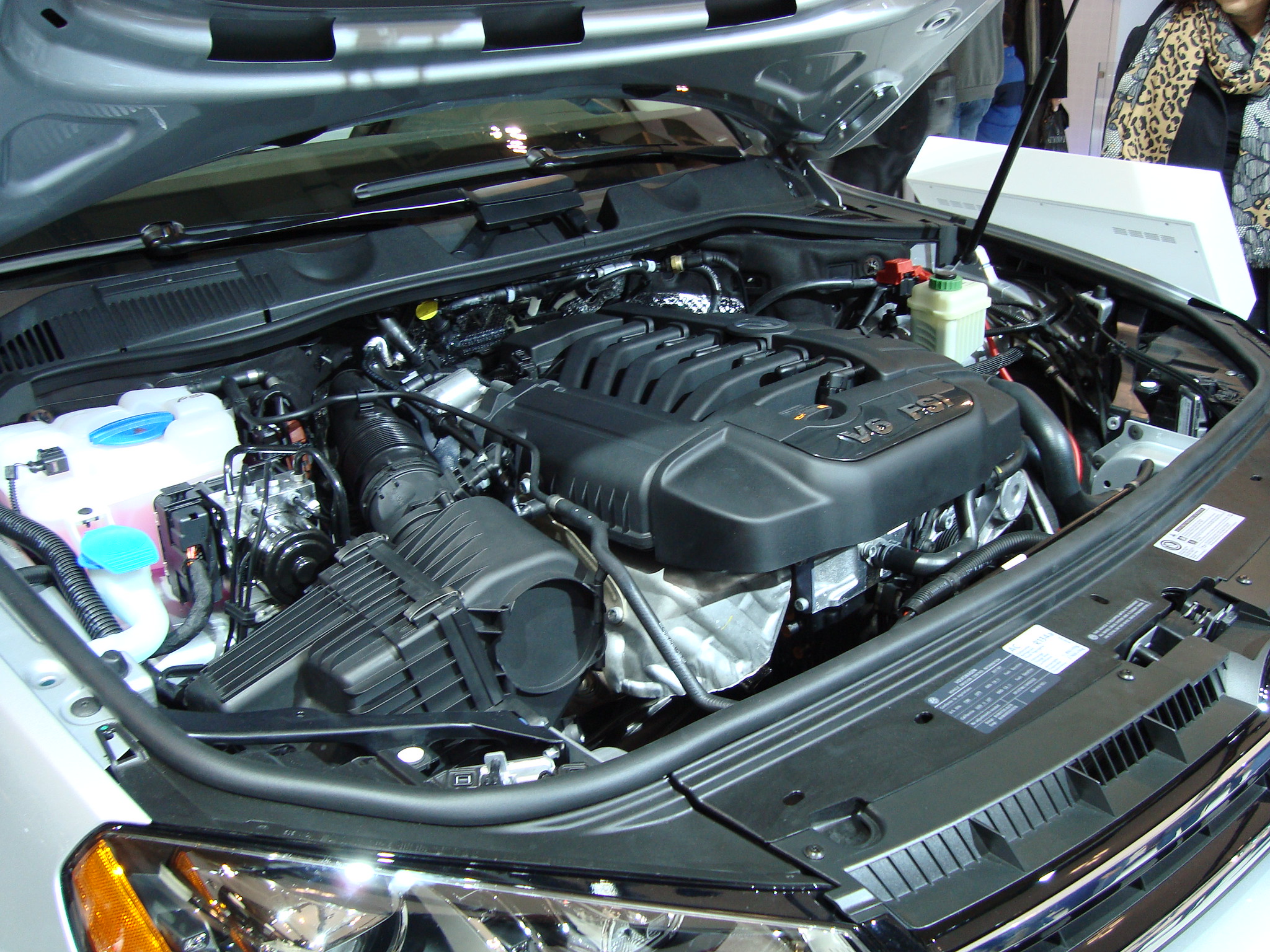
Internal combustion engines have powered a variety of vehicles and machinery for over a century, with 2-stroke and 4-stroke engines being two of the most commonly used designs. These engines differ fundamentally in their mechanical operation, efficiency, maintenance needs, and suitability for specific applications. This article provides an in-depth exploration of these two types of engines, examining their differences, advantages, and disadvantages to help readers understand which type is better suited to their needs.
1. The Basics: How 2-Stroke and 4-Stroke Engines Work
1.1. What is a 2-Stroke Engine?
A 2-stroke engine completes its power cycle in just two strokes of the piston (one revolution of the crankshaft). This design combines the intake, compression, power, and exhaust processes into two strokes:
- First Stroke: The piston moves upward, compressing the air-fuel mixture in the cylinder. Simultaneously, a new air-fuel mixture enters the crankcase.
- Second Stroke: The compressed mixture ignites, forcing the piston downward to generate power while simultaneously expelling exhaust gases and allowing fresh air-fuel to enter the combustion chamber.
This simplicity allows 2-stroke engines to produce power with every revolution of the crankshaft.
1.2. What is a 4-Stroke Engine?
A 4-stroke engine completes its power cycle in four strokes of the piston (two revolutions of the crankshaft). Each stroke corresponds to one phase of the cycle:
- Intake Stroke: The piston moves downward, drawing air and fuel into the cylinder.
- Compression Stroke: The piston moves upward, compressing the air-fuel mixture.
- Power Stroke: The compressed mixture ignites, forcing the piston downward to produce power.
- Exhaust Stroke: The piston moves upward again, expelling the exhaust gases.
The power stroke occurs every second revolution of the crankshaft, resulting in a steadier but less frequent power delivery compared to 2-stroke engines.
2. Differences Between 2-Stroke and 4-Stroke Engines
| Feature | 2-Stroke Engine | 4-Stroke Engine |
|---|---|---|
| Power Cycle | Completes in 2 strokes of the piston. | Completes in 4 strokes of the piston. |
| Power Delivery | Produces power every crankshaft revolution. | Produces power every two revolutions. |
| Components | Simpler design with fewer moving parts. | More complex with valves and camshafts. |
| Weight | Lighter and more compact. | Heavier and bulkier. |
| Efficiency | Less fuel-efficient; higher fuel consumption. | More fuel-efficient due to complete combustion. |
| Lubrication | Requires oil to be mixed with fuel. | Uses a separate lubrication system. |
| Maintenance | Easier to maintain; fewer components to service. | Requires more maintenance due to complex components. |
| Durability | Wears out faster due to simpler design and higher RPM. | More durable and long-lasting. |
| Environmental Impact | Emits more pollutants due to incomplete combustion. | Cleaner emissions and meets stricter standards. |
3. Advantages of 2-Stroke Engines
3.1. Simplicity of Design
- 2-stroke engines have fewer components, such as the absence of valves and a camshaft. This simplicity makes them easier to manufacture and repair.
- The smaller number of parts reduces the likelihood of mechanical failure, especially in rugged or demanding environments.
3.2. Compact and Lightweight
- Due to their simple design, 2-stroke engines are generally lighter and more compact than 4-stroke engines. This makes them ideal for portable applications such as handheld tools (chainsaws, trimmers) and lightweight vehicles (dirt bikes).
3.3. High Power-to-Weight Ratio
- Since they produce power every revolution of the crankshaft, 2-stroke engines generate more power relative to their size compared to 4-stroke engines.
- This characteristic is particularly beneficial in performance-oriented applications like motocross and snowmobiles.
3.4. Lower Manufacturing Costs
- The straightforward design of 2-stroke engines reduces manufacturing costs, making them more affordable for consumers.
- Maintenance costs are also lower due to the absence of intricate systems like a dedicated oil reservoir.
4. Disadvantages of 2-Stroke Engines
4.1. Poor Fuel Efficiency
- 2-stroke engines often lose unburned fuel during the scavenging process, where intake air-fuel mixture and exhaust gases overlap.
- This inefficiency increases operational costs over time and limits the appeal of 2-stroke engines in applications where fuel economy is critical.
4.2. Shorter Lifespan
- The high RPM and less robust design lead to faster wear and tear. Components like pistons and cylinders need frequent replacement.
- Continuous mixing of oil with fuel causes carbon deposits, further reducing the engine’s lifespan.
4.3. Environmental Concerns
- Incomplete combustion and the burning of oil-fuel mixtures result in higher emissions of hydrocarbons and particulates.
- Regulatory restrictions on emissions have led to a decline in 2-stroke engine usage in some regions.
5. Advantages of 4-Stroke Engines
5.1. Fuel Efficiency
- 4-stroke engines are more fuel-efficient because the intake and exhaust processes are separated. This ensures that most of the fuel is burned completely.
- Lower fuel consumption makes them economical for long-term use.
5.2. Greater Durability
- The robust construction and slower operating speeds of 4-stroke engines contribute to their durability. They are better suited for continuous use over extended periods.
- This makes them ideal for automotive engines, generators, and industrial machinery.
5.3. Cleaner Emissions
- The separate lubrication system eliminates the need to mix oil with fuel, resulting in cleaner combustion.
- 4-stroke engines meet stringent environmental regulations and are preferred for applications where emissions are a concern.
5.4. Steady Power Delivery
- Although they produce power less frequently than 2-stroke engines, 4-stroke engines provide a smoother and more stable power output. This is beneficial for passenger vehicles and other applications requiring consistent performance.
6. Disadvantages of 4-Stroke Engines
6.1. Complexity and Weight
- The presence of additional components like valves, camshafts, and a separate oil lubrication system makes 4-stroke engines heavier and more complex.
- This increases manufacturing costs and makes them less suitable for lightweight or portable applications.
6.2. Higher Initial and Maintenance Costs
- The intricate design of 4-stroke engines requires more precision during manufacturing, resulting in higher initial costs.
- Maintenance is more expensive due to the greater number of components, which can wear out or fail over time.
6.3. Lower Power-to-Weight Ratio
- Because 4-stroke engines produce power once every two revolutions of the crankshaft, they generate less power relative to their size compared to 2-stroke engines.
7. Use Cases for 2-Stroke and 4-Stroke Engines
7.1. Ideal Applications for 2-Stroke Engines
- Portable Tools: Chainsaws, leaf blowers, and string trimmers benefit from the lightweight and compact nature of 2-stroke engines.
- Off-Road Vehicles: Dirt bikes, jet skis, and snowmobiles require high power-to-weight ratios, making 2-stroke engines an excellent choice.
- Marine Engines: Outboard motors for small boats often use 2-stroke engines due to their simplicity and ease of maintenance.
7.2. Ideal Applications for 4-Stroke Engines
- Automobiles: The durability, efficiency, and smooth operation of 4-stroke engines make them the standard in passenger and commercial vehicles.
- Power Generators: Stationary generators rely on the long-lasting and fuel-efficient characteristics of 4-stroke engines.
- Heavy Machinery: Construction equipment and agricultural machines benefit from the durability and steady performance of 4-stroke engines.
8. Advances in Technology and the Future
8.1. Innovations in 2-Stroke Engines
- Modern 2-stroke engines, such as those using direct fuel injection, have improved fuel efficiency and reduced emissions. These advancements address some of the traditional disadvantages of 2-stroke engines.
- Lightweight hybrid designs are emerging, combining 2-stroke engines with electric motors for enhanced performance and environmental compliance.
8.2. Innovations in 4-Stroke Engines
- Technologies like variable valve timing (VVT) and turbocharging have improved the efficiency and power output of 4-stroke engines.
- The development of alternative fuels, such as hydrogen and biofuels, ensures that 4-stroke engines remain relevant in the transition to cleaner energy sources.
8.3. Electric Alternatives
- As electric motors gain popularity in transportation and tools, the role of both 2-stroke and 4-stroke engines is evolving. However, they remain indispensable in applications where high energy density and portability are paramount.
9. Conclusion
Both 2-stroke and 4-stroke engines have unique advantages and disadvantages, making them suited for specific purposes. While 2-stroke engines excel in portability, simplicity, and power-to-weight ratio, they fall short in efficiency and environmental friendliness. Conversely, 4-stroke engines offer greater durability, efficiency, and cleaner emissions but are heavier and more complex.
Choosing between the two depends on the intended application. For lightweight, high-performance needs, 2-stroke engines are ideal. For durability and fuel economy, 4-stroke engines remain the better choice. Advances in technology continue to blur the lines, ensuring that both types of engines adapt to modern requirements and remain relevant in an evolving energy landscape.