
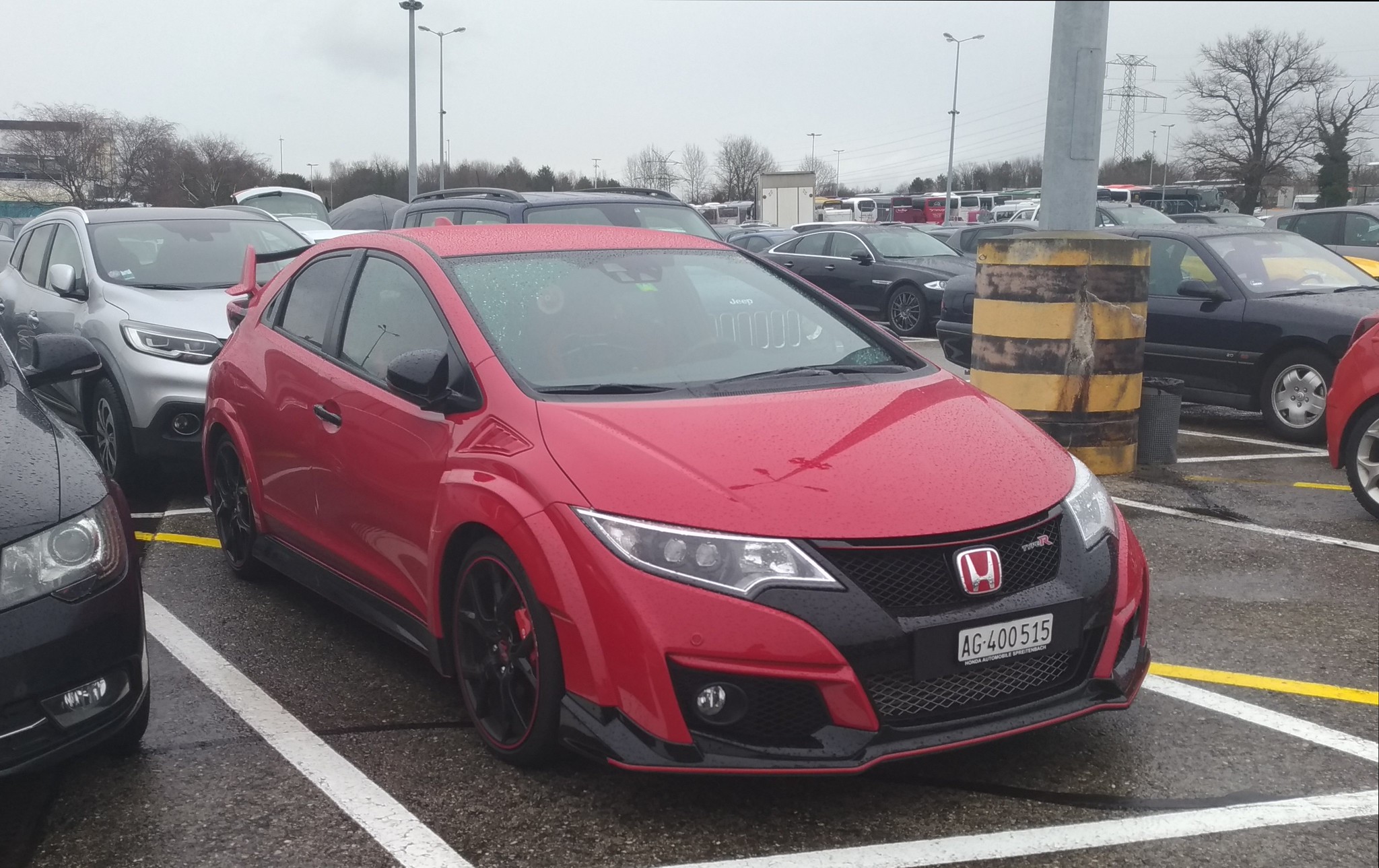
The Honda Civic Type R is a name that commands respect among automotive enthusiasts worldwide. A model born from Honda’s relentless pursuit of performance and engineering excellence, the Type R is a testament to the brand’s ability to create a car that blends track-ready performance with daily usability. This article will take a deep dive into the Japanese Honda Civic Type R, covering its history, technical evolution, performance characteristics, cultural impact, and comparisons with competitors.
I. History of the Honda Civic Type R
A. The Origins
The Honda Civic Type R (CTR) traces its lineage back to 1997, when Honda introduced the EK9 generation in Japan. Derived from the sixth-generation Civic, the EK9 Type R was a lightweight, performance-focused variant designed for enthusiasts who craved a more visceral driving experience. The EK9 set the template for future Type R models: reduced weight, increased power, and aggressive styling.
- Lightweight Engineering: The EK9 featured extensive weight reduction techniques, including the use of thinner glass and a stripped-down interior.
- Engine Technology: Powered by the 1.6L B16B VTEC engine, it delivered 185 hp—impressive for its displacement at the time.
- Performance-Oriented Features: It included a helical limited-slip differential and a close-ratio 5-speed manual transmission.
B. Expanding Horizons: EP3 and FN2 Generations
The EP3, introduced in 2001, marked the Type R’s expansion to international markets, although the Japanese domestic model retained unique specifications. Its 2.0L K20A engine with 215 hp was mated to a 6-speed manual transmission, solidifying Honda’s reputation for engineering precision.
The FN2 generation (2007-2011) brought controversial changes. With a shift to a torsion-beam rear suspension for European models, purists criticized its handling compared to the Japanese-spec FD2, which retained a more advanced double-wishbone setup.
C. The FK and FL Generations: Modern Legends
The FK2 and FK8 (2015-2021) elevated the Civic Type R to global fame. These turbocharged models delivered extraordinary performance, particularly the FK8, which became a Nürburgring lap-time champion. The FL5 (2022-present) continues the legacy with a refined blend of performance and practicality.
II. Technical Evolution of the Civic Type R
A. Engines: From NA to Turbocharged Power
- B16B and K20A (EK9 and EP3): High-revving naturally aspirated engines were hallmarks of the early Type R models.
- K20C1 Turbo (FK2, FK8, FL5): Honda’s move to turbocharging increased torque and efficiency, making the modern Type R as capable on the highway as it is on the track.
B. Chassis and Suspension
- Double-Wishbone Excellence: Early models featured sophisticated suspension systems that offered precise handling.
- Adaptive Suspension: The FK8 introduced adaptive dampers, enhancing comfort and performance on demand.
C. Aerodynamics and Weight Management
- Lightweight Materials: Type R models have consistently used lightweight materials to improve power-to-weight ratios.
- Aerodynamics: The FK8’s bold styling maximized downforce and minimized drag, while the FL5 refined these principles for a more mature look.
III. Performance Characteristics
A. Track-Ready Engineering
The Type R’s ability to dominate racetracks comes from a combination of high-revving engines, lightweight construction, and advanced suspension systems. Whether on the twisty roads of Mount Haruna or the demanding Nürburgring Nordschleife, the Civic Type R consistently performs above its weight class.
B. Daily Usability
Despite its track focus, the Civic Type R is a surprisingly practical car. It offers:
- Spacious interiors.
- Competitive fuel efficiency (for a performance car).
- Honda’s legendary reliability.
C. FL5 Innovations
The latest Type R improves further, featuring a more refined suspension, a wider track, and a meticulously tuned engine producing 315 hp and 310 lb-ft of torque.
IV. Cultural Impact
A. In Japan
In Japan, the Civic Type R represents the pinnacle of Honda’s front-wheel-drive engineering. Its status as a JDM icon is cemented by its rarity and performance pedigree.
B. Global Enthusiast Community
Worldwide, the Civic Type R has earned a cult-like following. Its affordability and performance democratized track-focused driving, making it accessible to a new generation of enthusiasts.
C. Motorsports Legacy
Honda’s participation in motorsports, particularly in touring car championships, has amplified the Civic Type R’s reputation as a race-bred machine.
V. Competitors and Comparisons
A. Versus Other Hot Hatches
The Civic Type R competes in the hot hatch category against models like:
- Volkswagen Golf R
- Hyundai i30 N
- Ford Focus RS
Compared to its rivals, the Type R stands out with its front-wheel-drive purity, precise handling, and naturally engaging driving experience.
B. Rivals on the Track
On the track, the Civic Type R has proven its dominance through lap records and accolades, often outperforming all-wheel-drive competitors despite its FWD layout.
VI. Challenges and Controversies
A. Styling
The aggressive styling of the FK8 received polarizing reactions, though the FL5 has garnered more universal praise for its understated design.
B. Price Accessibility
While the Civic Type R remains relatively affordable, increasing prices in recent generations have drawn criticism from fans accustomed to Honda’s budget-friendly roots.
VII. The Future of the Civic Type R
A. Hybrid and EV Potential
With the global shift towards electrification, the Civic Type R is poised to evolve. A hybrid or electric Type R would challenge engineers to maintain the car’s driving purity.
B. Honda’s Commitment to Performance
Honda has reaffirmed its dedication to the Type R, ensuring its future relevance in an ever-changing automotive landscape.
VIII. Conclusion
The Japanese Honda Civic Type R stands as a symbol of precision engineering, driver-focused performance, and relentless innovation. From the high-revving EK9 to the turbocharged FL5, it has consistently set benchmarks in the hot hatch segment. Whether carving through mountain roads, dominating race tracks, or commuting daily, the Type R exemplifies Honda’s ability to create a car that is as thrilling as it is practical.
The future may bring new challenges, but the Civic Type R is prepared to adapt while staying true to its core ethos: performance without compromise.