- 1. Introduction to JDM
- 2. The Birth of Japan’s Car Culture
- 3. Evolution of JDM and Car Enthusiast Culture
- 4. Iconic JDM Cars and Their Impact
- 5. Japanese Street Racing and Tuning Culture
- 6. Car Meets and Communities in Japan
- 7. Export of JDM Cars and Global Appeal
- 8. Future of Japan’s Car Culture
- 9. Conclusion
1. Introduction to JDM
The term Japanese Domestic Market (JDM) refers to vehicles and components that are manufactured specifically for sale in Japan. These cars are designed to meet the needs, preferences, and regulations of the Japanese market, making them distinct from their export counterparts. Enthusiasts around the world admire JDM vehicles for their unique engineering, innovative designs, and performance-oriented features that set them apart.
JDM cars often feature right-hand drive (RHD) configurations, as Japan follows this driving system. In many cases, JDM models include advanced technologies and higher-performance specs compared to versions exported abroad. Cars like the Nissan Skyline GT-R, Honda Civic Type R, and Mazda RX-7 have earned legendary status among car enthusiasts worldwide, creating a thriving subculture devoted to preserving and celebrating these iconic machines.
The popularity of JDM cars grew exponentially in the late 1990s and early 2000s, fueled by global exposure through movies, video games, and import car shows. Today, JDM culture is more than just about cars—it represents a lifestyle that celebrates speed, precision, and the artistry of automotive engineering.
2. The Birth of Japan’s Car Culture
Japan’s car culture was born out of necessity during the post-World War II era, as the nation rebuilt its economy and infrastructure. Early Japanese carmakers like Toyota, Nissan, and Mazda initially focused on producing affordable, efficient vehicles for a recovering domestic market. However, as the Japanese economy boomed in the 1960s, these manufacturers began to experiment with performance-oriented designs.
One of the most iconic early examples was the Toyota 2000GT, introduced in 1967. With its sleek design and cutting-edge technology, the 2000GT showcased Japan’s ability to compete with European and American sports cars. Similarly, Nissan’s Datsun 240Z revolutionized the sports car market by offering affordability and reliability without compromising on performance.
The government also played a role in shaping Japan’s car culture through stringent regulations and a focus on safety and emissions. This led to the development of Kei cars—small, efficient vehicles designed to meet tax and insurance incentives. While practical, Kei cars also became a canvas for customization and personalization, further fostering Japan’s car culture.
3. Evolution of JDM and Car Enthusiast Culture
By the 1970s and 1980s, Japan’s car scene was thriving, driven by a growing interest in motorsports and car modification. Grassroots racing events and local car meets gained popularity as enthusiasts sought ways to test their vehicles and showcase their creativity. The tuning culture emerged during this period, with aftermarket companies like HKS, Greddy, and Tomei leading the charge in developing high-performance parts.
The influence of Japanese pop culture, particularly manga and anime, further fueled the passion for cars. Titles like Initial D spotlighted street racing and drifting, inspiring a generation of fans to pursue the thrill of driving on Japan’s famous mountain passes (touge). Characters and cars from these stories became icons in their own right, and the legacy of Initial D continues to resonate with car enthusiasts around the world.
During this era, the JDM scene also embraced diversity, from the tiny but turbocharged Suzuki Cappuccino to the high-revving Honda Integra Type R. This inclusiveness allowed car enthusiasts to express themselves through a wide variety of vehicles, fostering a sense of community and camaraderie.
4. Iconic JDM Cars and Their Impact
Japan’s automotive history is filled with legendary vehicles that have left a lasting impression on car culture. Among them:
Nissan Skyline GT-R (Godzilla)
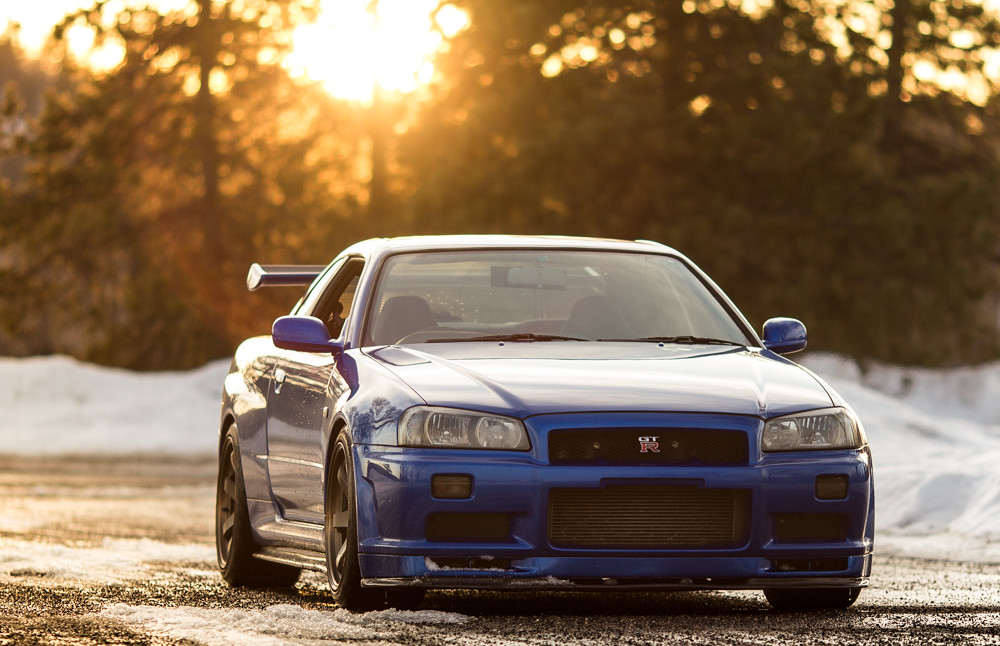
The Skyline GT-R, particularly the R32, R33, and R34 generations, is perhaps the most revered JDM car. Dubbed “Godzilla” for its dominance in motorsports, the GT-R features advanced all-wheel-drive systems and twin-turbocharged engines, making it a force to be reckoned with on the track and the street.
Toyota Supra
The A80 Supra, equipped with the legendary 2JZ-GTE engine, became a global icon thanks to its tuning potential and appearances in media like The Fast and the Furious. Its blend of reliability, performance, and style has cemented its place in automotive history.
Mazda RX-7
With its lightweight design and innovative rotary engine, the RX-7 stands out as one of the most unique sports cars ever produced. Its sleek lines and impressive handling made it a favorite among street racers and track enthusiasts alike.
Honda NSX
Often referred to as Japan’s first supercar, the NSX combined exotic looks with Honda’s reliability and performance. Developed with input from Formula 1 legend Ayrton Senna, the NSX redefined what a supercar could be.
Subaru Impreza WRX vs. Mitsubishi Lancer Evolution
These two rally-inspired legends captured the hearts of enthusiasts with their turbocharged engines, all-wheel-drive systems, and intense rivalry on and off the track. Their battles in motorsports and real-world competitions remain a cornerstone of JDM history.
5. Japanese Street Racing and Tuning Culture
Street racing is an integral part of Japan’s car culture, with roots in both the touge (mountain passes) and Wangan (highways). Drivers on the touge emphasize skill, using tight corners and elevation changes to test their abilities. This scene was popularized by Initial D, which showcased the art of drifting—a technique pioneered by racers like Keiichi Tsuchiya.
In contrast, the Wangan Midnight culture focuses on high-speed highway racing. The goal is to achieve maximum speed over long stretches of road, with cars often modified for extreme horsepower. Both of these styles have given rise to an industry of performance tuning, with shops like Spoon Sports, Mugen, and Amuse offering parts that enhance speed, handling, and aesthetics.
Customization is another hallmark of Japanese car culture. Enthusiasts modify their vehicles with aero kits, widebody conversions, suspension upgrades, and engine swaps. The result is a vibrant and diverse community that values creativity and craftsmanship.
Drifting, in particular, has gained international acclaim, becoming a professional motorsport with events like the D1 Grand Prix. Drifters worldwide draw inspiration from Japan’s streets and circuits, where the sport was born.
6. Car Meets and Communities in Japan
Car meets are a cherished tradition in Japan, providing enthusiasts a platform to display their vehicles and connect with like-minded individuals. Popular venues like Daikoku Futo and Umihotaru Parking Area host gatherings ranging from exotic supercars to vintage classics.
Types of meetups include:
- VIP Car Meets: Featuring luxurious, heavily modified sedans with low stances and intricate interiors.
- Classic Car Meets: Showcasing vintage models like the Toyota AE86 or Datsun Fairlady Z.
- High-Performance Meets: Focusing on tuned sports cars and track-ready machines.
Japanese car culture emphasizes respect for others and the environment, ensuring these gatherings remain orderly and enjoyable.
7. Export of JDM Cars and Global Appeal
The global fascination with JDM cars began in earnest during the 1990s, spurred by enthusiasts seeking performance vehicles that were unavailable in their home markets. The United States, in particular, saw a surge in demand for JDM imports like the Nissan GT-R and Toyota Supra, despite strict import regulations.
Films like The Fast and the Furious further propelled JDM culture into the mainstream, highlighting cars like the Mitsubishi Eclipse, Mazda RX-7, and Honda S2000. Video games such as Gran Turismo also introduced players to the world of JDM, creating a new generation of enthusiasts.
Today, importing JDM vehicles remains a challenge due to legal and logistical hurdles, but their allure continues to grow. Collectors and fans value these cars for their rarity, performance, and cultural significance.
8. Future of Japan’s Car Culture
As the automotive industry shifts towards electric vehicles (EVs) and stricter environmental regulations, Japan’s car culture faces new challenges. Traditional combustion-engine JDM cars are becoming harder to maintain, and younger generations are less inclined to own vehicles due to urban living conditions.
However, the preservation of vintage JDM cars is on the rise, with enthusiasts restoring classics to their former glory. The growing interest in hybrid and electric performance cars, such as the Toyota GR Yaris and Honda’s new EV concepts, suggests that Japan’s car culture will continue to evolve while staying true to its roots.
9. Conclusion
Japan’s car culture, shaped by innovation, passion, and creativity, has left an indelible mark on the global automotive world. From the legendary JDM cars of the past to the evolving trends of the future, this culture represents more than just machines—it embodies a way of life that celebrates individuality and community. As it continues to adapt to modern challenges, the spirit of Japan’s car culture remains as vibrant as ever, inspiring enthusiasts worldwide.